
Timber Frame Residential Houses

Energy Efficiency
Timber frame homes are inherently energy efficient. The wood’s natural insulation qualities, combined with modern sealing and insulating techniques, create a tight thermal envelope. This means less energy is needed to heat or cool the home, leading to significant savings on energy bills and a reduced carbon footprint.
Natural Materials
Using timber, a renewable resource, emphasizes sustainability and environmental responsibility. Wood’s natural insulation properties contribute to a home’s overall energy efficiency, reducing the need for artificial heating and cooling.
Design Flexibility
Timber frames offer unparalleled flexibility in design and layout. The strength of timber allows for larger open spaces and adaptable floor plans, enabling homeowners to customize their living spaces to their specific needs and preferences without being constrained by load-bearing walls.
Building process


Faster Construction Process
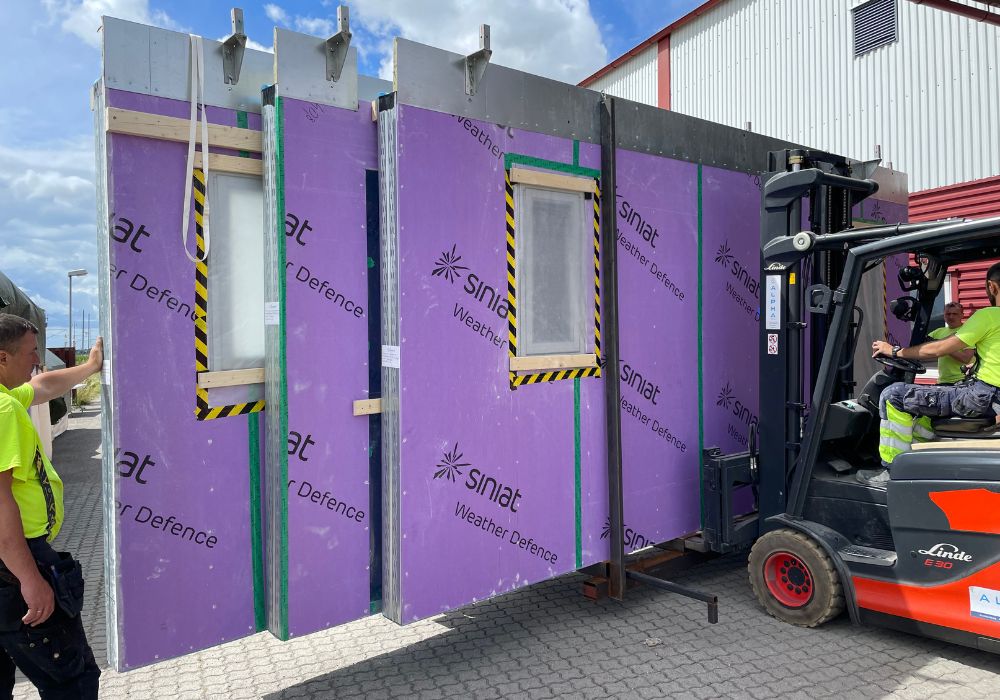
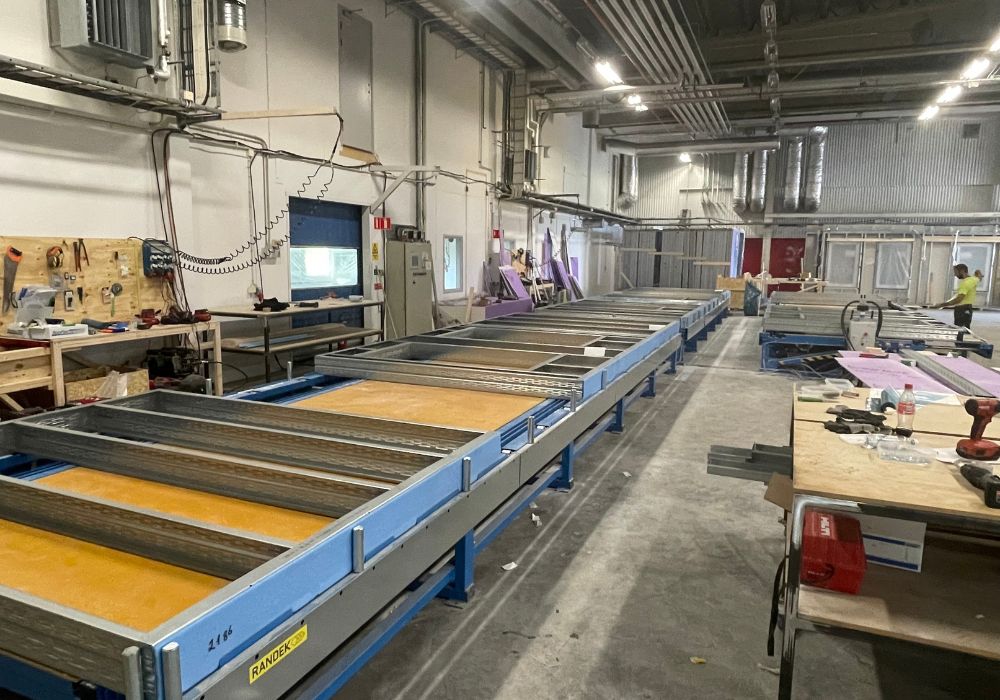
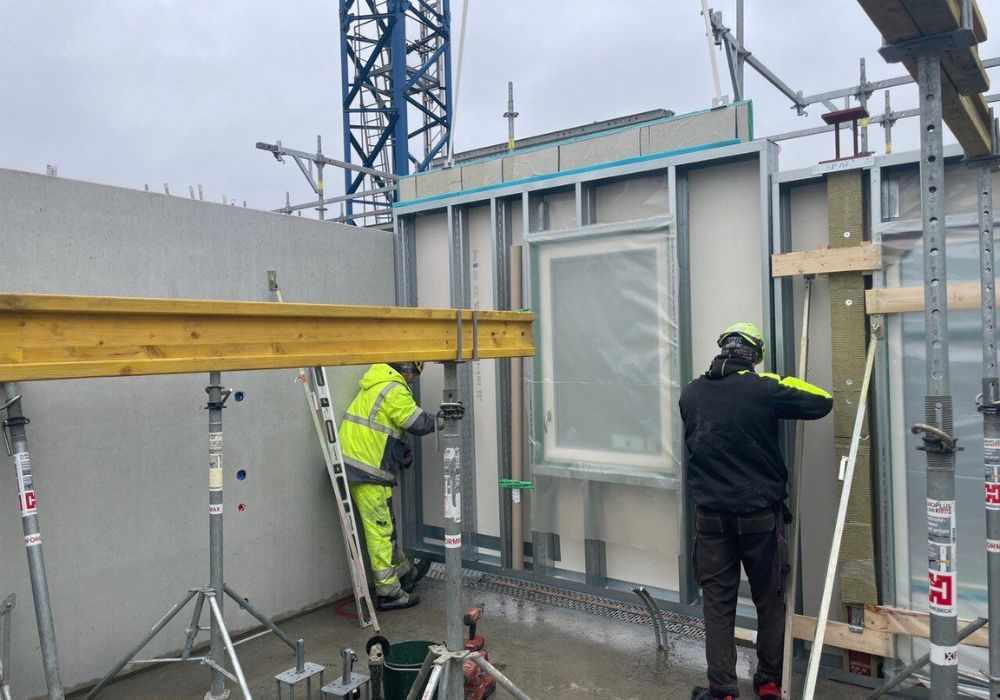
The prefabrication of timber frame elements allows for much of the construction work to be completed off-site. When these elements arrive at the construction site, the assembly process is quick, often taking just a week. This not only speeds up the overall construction timeline but also reduces labor costs and minimizes the impact of weather delays.
Longevity
Timber frame houses stand the test of time. The strength and durability of the timber used in construction mean these homes can last for generations, withstanding various climatic conditions, especially when properly maintained.
High Energy Class Achievement
In regions like Ireland, where climate conditions demand high-performance buildings, timber frame houses excel. They can easily achieve high energy efficiency ratings, ensuring a comfortable living environment year-round and compliance with stringent building codes.